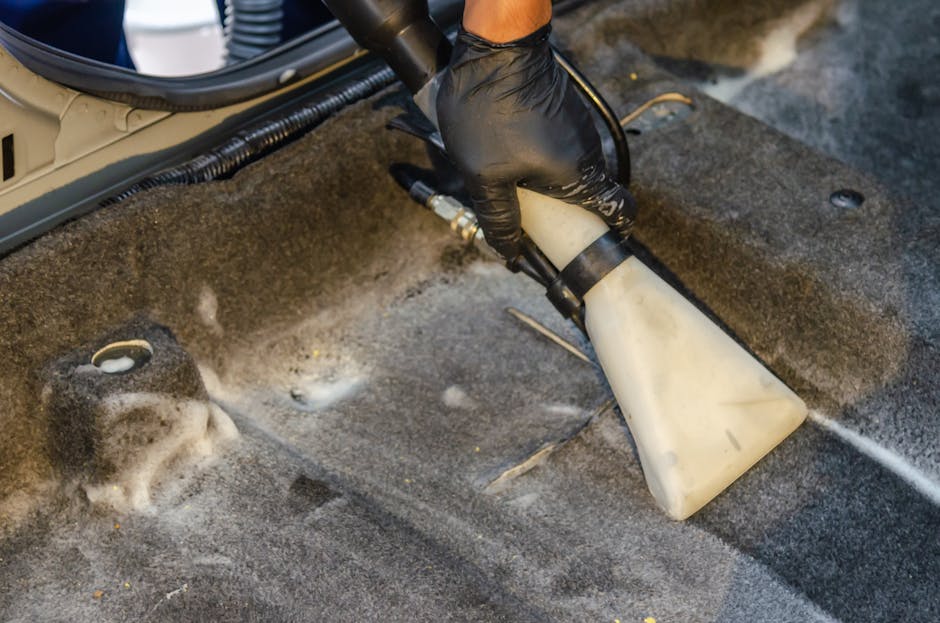
Deep stain removal and carpet cleaning Kingston Market traders

If you work around Kingston Market, you already know what carpets go through. Footfall, spills, muddy weather, market dust, delivery trolleys, and the odd "that should wipe off easily" moment can all leave a mark. Deep stain removal and carpet cleaning Kingston Market traders need is not just about making flooring look nicer for the day. It is about protecting the space, keeping it presentable for customers, and stopping small stains from becoming long-term damage.
Truth be told, most carpet problems in busy trader spaces are not caused by one dramatic incident. They build up slowly. Tea rings, tracked-in grit, grease near food counters, and fibres that look dull even after a quick vacuum. This guide breaks down how deep cleaning actually works, when it makes sense, what to avoid, and how to choose the right approach for a working market environment.
Whether you manage a stall, a shared retail unit, or a nearby office, the practical aim is the same: remove staining properly, preserve the carpet, and keep disruption low. Let's get into it.
Why Deep stain removal and carpet cleaning Kingston Market traders Matters
For traders, carpets are part of the working face of the business. They sit under the first impression customers get when they step inside. If a customer notices sticky patches, worn lanes, or a dark stain by the counter, they notice the business too. Not always consciously, but they do.
In a market setting, carpets tend to suffer from a few predictable issues: constant shoe traffic, spilled drinks, food oils, muddy weather, and dust pushed in from open entrances. Add the fact that traders often work long hours and cannot close up for every spill, and you have a setting where spot cleaning alone rarely keeps up.
Deep stain removal matters because stains behave differently depending on what caused them. A fresh coffee spill may lift quickly. A grease mark, dye transfer, or ground-in mud patch can bind to the fibres and resist normal cleaning. If you leave it too long, you may need stronger treatment, and that raises the risk of fibre damage or colour loss. Not ideal, to say the least.
There is also the practical side. A cleaner carpet can help reduce odours, improve indoor presentation, and make a small space feel more open. In a busy market environment, that matters more than people think. Customers often read cleanliness as a sign of care, and care is hard to fake.
Key point: deep stain removal is not only about appearance. It is about maintenance, hygiene, brand perception, and extending the useful life of the carpet.
How Deep stain removal and carpet cleaning Kingston Market traders Works
Professional carpet cleaning is usually a layered process rather than one big treatment. The exact method depends on the carpet fibre, the backing, the age of the stain, and how much moisture the area can tolerate. That sounds a bit technical, but in practice it means the cleaner should always assess before applying anything.
Most deep stain removal begins with inspection. The cleaner identifies the stain type, the carpet material, the level of soiling, and any signs of previous treatment. That matters because the wrong product can set a stain permanently. For example, heat can make some protein-based stains harder to shift, while aggressive rubbing can spread a dye mark wider than before. It happens more often than people admit.
Once the stain is assessed, the carpet is usually vacuumed or dry soil-extracted first. This removes grit that would otherwise turn into abrasive paste during wet cleaning. After that, a targeted pre-treatment may be applied to the stain. This could be a pH-balanced solution, a solvent-based spot treatment, or an oxygenated cleaner depending on the material and mark.
After the pre-treatment sits for the correct dwell time, agitation may be used to help loosen the soil. Then comes the main cleaning stage. In many commercial situations, that means hot water extraction or a low-moisture method, depending on drying constraints. Hot water extraction can be very effective for deep soil and staining, but it is not always the best choice if the carpet needs to be back in use quickly.
Finally, the area is rinsed or neutralised if needed, and the carpet is dried as efficiently as possible. Good drying is a big deal. A carpet that stays damp too long can smell stale, attract new dirt, or create a nuisance for traders who need the space ready again the same day.
In short: identify, pre-treat, clean, rinse, dry, and inspect again. Simple on paper. A bit more involved in real life.
Key Benefits and Practical Advantages
There is a reason traders keep coming back to proper deep cleaning instead of relying on quick spot fixes. The benefits are practical, visible, and often felt quite fast.
- Better first impressions: A cleaner floor gives the whole unit a more cared-for look, even when the rest of the space is busy.
- Longer carpet life: Removing embedded grit and residues helps fibres last longer and slows down wear patterns.
- Improved stain control: The sooner a stain is treated properly, the better the chance of full or near-full removal.
- Reduced odours: Spills and trapped dirt can hold smells. Deep cleaning helps freshen the space.
- More hygienic conditions: Carpets collect dust, skin particles, food residue, and moisture. A proper clean helps reduce that build-up.
- Less visible traffic marking: High-use lanes can start to look darker. Deep cleaning can even out that appearance.
There is also a commercial advantage that people sometimes miss. A clean carpet reduces the risk of a customer associating your stall or unit with neglect. That sounds harsh, maybe, but customers do judge spaces quickly. A tidy floor quietly supports trust.
For traders sharing common access areas, the benefit goes beyond one unit. If the entrance, corridor, or waiting area looks cleaner, the whole trading environment feels more professional. That can make a difference on a wet Tuesday morning when everyone is walking in with damp shoes and coffee in hand.
Who This Is For and When It Makes Sense
This kind of service suits anyone whose carpet sees heavy daily use or has stubborn stains that normal cleaning will not shift. In the Kingston Market area, that can include stall operators, small retailers, offices nearby, hospitality spaces, and mixed-use premises with customer access.
You should think about deep stain removal if you notice any of the following:
- Spills that have sat for more than a day or two
- Recurring stains in the same high-traffic spot
- Dull, grey-looking walking lanes
- Musty or stale odours that return after vacuuming
- Grease, makeup, ink, wine, tea, coffee, or food stains
- Carpets that look clean at a distance but tired up close
It also makes sense before important trading periods, after renovation work, or when a unit has had a particularly busy season. If you are opening early and closing late, the carpet often gets ignored until it is impossible to ignore. Fair enough. That is normal. But it usually means a stronger intervention is needed later.
There is a difference between cosmetic cleaning and damage control. If you are simply freshening up, a lighter clean may do. If you are dealing with months of build-up, staining, or an area customers see first, deep cleaning is the better move.
Step-by-Step Guidance
If you want a sensible way to approach carpet stain removal, use a process rather than guessing. Guessing is how people end up pushing a stain deeper into the pile with a paper towel and a slightly panicked expression.
1. Identify the stain as best you can
Ask what caused it and how old it is. Food, drink, oil, ink, mud, and organic stains do not all respond to the same treatment. If you know the source, you can usually choose a safer method.
2. Test in a discreet spot
This is boring but essential. A small patch test helps check for colour transfer, fibre distortion, or backing damage. It is especially important on delicate or dyed carpets.
3. Remove dry soil first
Vacuum thoroughly before any liquid treatment. If there is loose grit, you are just mixing dirt into the fibres. Nobody wants that.
4. Apply the right pre-treatment
Use the mildest product that can do the job. Let it dwell for the recommended time. Rushing this step often leads to weaker results and more scrubbing, which the carpet definitely does not enjoy.
5. Agitate carefully
Light agitation can help loosen stubborn deposits. The key is controlled movement, not a hard rub. Rubbing can distort the pile or spread the stain outward.
6. Extract or rinse properly
Hot water extraction, encapsulation, or another suitable method may be used depending on the site. The main thing is to remove the loosened residue instead of leaving it behind in the fibres.
7. Dry quickly and evenly
Use airflow where appropriate. Open windows if weather and security allow. In a market setting, speed matters because the floor may need to be walked on again very soon.
8. Recheck after drying
Some stains only fully show once dry. A proper final inspection helps catch any shadowing or wick-back, where residue rises to the surface as the carpet dries.
That last bit is a classic hidden issue. You clean a stain, it looks better, everyone relaxes, and then by the next morning a faint ring reappears. Not fun. But it can often be managed if the correct process is used from the start.
Expert Tips for Better Results
In our experience, the best stain removal results usually come from small, careful decisions rather than dramatic effort. Here are the habits that make a real difference.
- Act quickly, but not aggressively: Speed matters, but harsh scrubbing can make the problem worse.
- Blot, don't rub: Pressing gently with a clean cloth lifts more residue than rubbing ever will.
- Match the treatment to the stain: Grease, tannin, dye, and protein stains each need different thinking.
- Control moisture: Too much water can spread staining or extend drying time.
- Keep a stain log: For shared commercial spaces, a simple note of what happened and when can help with repeated issues.
- Focus on edges and entrances: These areas often show the earliest signs of wear.
- Use entrance matting where possible: It is a small thing, but it catches a lot of dirt before it reaches the carpet.
One practical trick is to look at a carpet from an angle, not straight down. The light often reveals flattened pile and traffic marks that are easy to miss head-on. Early one morning, before the market gets properly going, that angled light can be very honest. Almost too honest.
If a stain keeps coming back, do not keep flooding the same area. Repeated over-wetting can drag the residue up from the backing. Better to stop, reassess, and use a different method.
Common Mistakes to Avoid
A lot of carpet damage happens because people mean well. That is the annoying part. Good intentions, bad technique.
- Using the wrong cleaner: Household sprays can leave residue or affect dye. Commercial carpets often need a more measured approach.
- Scrubbing too hard: This can damage fibres, distort texture, or spread the stain.
- Ignoring drying time: A carpet that stays damp can develop odour and resoil quickly.
- Skipping a patch test: This is how avoidable discolouration happens.
- Cleaning only the stain and not the surrounding area: That can leave a visible tide mark or "spot cleaned" halo.
- Waiting too long: The older the stain, the more likely it has bonded to the fibres.
- Using excess detergent: Residue attracts dirt and can make the carpet re-soil faster.
Another mistake is assuming every stain can be fully removed. Sometimes the goal is substantial improvement, not perfection. That is not failure. It is honest assessment. A deep-set dye mark or fibre burn may remain faintly visible even after proper treatment, and a trustworthy cleaner should say so plainly.
Tools, Resources and Recommendations
The right tools make the work safer and more effective. You do not need a warehouse full of equipment, but you do need the basics done properly.
Useful tools and materials typically include:
- A quality vacuum with strong suction
- Microfibre cloths or white cotton towels for blotting
- Stain-specific pre-treatment solutions
- Soft brushes or controlled agitation tools
- Hot water extraction equipment or low-moisture cleaning systems
- Air movers or fans for faster drying
- Protective gloves where chemicals are handled
- Warning signs or temporary barriers if floors are still drying
If you are comparing services, it is worth asking what method they will use for your carpet type, how they handle delicate fibres, and how drying is managed. The cheapest option is not always the sensible one. Sometimes it is, but not usually when you are protecting a commercial floor.
For wider property care, some traders also pair carpet cleaning with deep cleaning services, especially after a busy season or before a big reopening. If the unit has hard floors near the carpeted area, combining the job with hard floor cleaning can help the whole space feel consistent rather than half-done. And if the carpet stain is tied to furniture, waiting areas, or customer seating, upholstery cleaning may be worth considering at the same time.
As a general rule, choose methods and products that suit the carpet, not the other way around.
Law, Compliance, Standards and Best Practice
Carpet cleaning itself is not usually a highly regulated activity in the way some specialist trades are, but that does not mean standards do not matter. In a commercial setting, you still have responsibilities around safe working, sensible chemical use, and protecting staff, customers, and property.
Good practice in the UK generally includes following manufacturer instructions for cleaning products, carrying out risk assessments where needed, and making sure wet floors are marked or isolated until safe. For market traders, that can be especially important because public access and narrow walkways leave little room for error.
If a cleaning service is working in or around your unit, you should expect:
- Clear communication about drying times and access limitations
- Careful handling of electrics, fixtures, and stock
- Reasonable ventilation where cleaning chemicals are used
- Attention to slip risk while floors are drying
- Appropriate insurance and a sensible complaints process
It is also smart to ask about environmental practice. Some traders prefer low-odour or lower-impact products, particularly where food, clothing, or close customer contact is involved. If sustainability matters to your business, it is reasonable to ask how waste water, packaging, and product use are managed. A practical approach is usually best, not a preachy one.
If you want to know more about operational standards and safeguards, pages like health and safety policy, insurance and safety, and recycling and sustainability can help explain how a responsible cleaning company works. For pricing structure and what to expect before booking, pricing and quotes is useful too.
Options, Methods, and Comparison Table
Different carpet problems call for different methods. The trick is choosing the least invasive method that still gets the result you need. Here is a simple comparison.
| Method | Best for | Advantages | Limitations |
|---|---|---|---|
| Spot stain treatment | Small, fresh marks | Fast, targeted, low disruption | Not enough for deep soil or old stains |
| Hot water extraction | Heavy traffic areas, embedded dirt | Very effective on deep contamination | Longer drying time, not ideal for every fibre |
| Low-moisture cleaning | Busy commercial spaces needing quicker turnaround | Faster drying, less downtime | May be less powerful on some deep stains |
| Encapsulation cleaning | Routine maintenance between deep cleans | Good for regular upkeep and appearance | Usually not enough for stubborn, old stains |
For traders, the choice often comes down to one question: how quickly does the space need to be back in use? If the answer is "very quickly," low-moisture or staged cleaning may be the better route. If the carpet has heavy soiling and you can allow longer drying, hot water extraction may give a more thorough finish.
It is rarely a one-size-fits-all decision. That's the honest answer.
Case Study or Real-World Example
Here is a realistic example from a market-style trading space. A small retail unit near Kingston Market had a pale carpet in a customer-facing area. Over time, the entrance had picked up dark shoe marks, a coffee spill had left a ring near the seating area, and a grease mark from packaging had settled by the counter. Nothing dramatic on its own. Together, though, the carpet looked tired and slightly neglected.
The first step was to identify each stain type rather than treating everything with one product. The entrance lane had embedded grit and traffic marking, the coffee stain needed a tannin-focused treatment, and the greasy patch required a separate solvent-based approach. The carpet was vacuumed thoroughly before any wet treatment, then each area was treated in sequence to avoid spreading residues.
After cleaning, the area was dried with airflow and checked later in the day. The carpet did not become brand new - let's be sensible - but it did look noticeably brighter, more even, and far more presentable for customers. The bigger win was that the operator could finally see where the problem areas were and plan maintenance rather than react to each fresh mark with a sigh and a cloth.
That is often the real value of deep stain removal. It gives you a clean baseline again.
Practical Checklist
Use this checklist before booking or carrying out deep stain removal in a trader setting.
- Identify the stain type if possible
- Check the carpet fibre and any care instructions
- Test cleaning products in a hidden area
- Vacuum thoroughly before applying liquid cleaners
- Use the mildest effective treatment first
- Avoid over-wetting the carpet
- Protect nearby stock, fixtures, and electrics
- Plan for drying time and restricted access
- Inspect the area again once dry
- Record any recurring stains or problem zones
Quick takeaway: the best results usually come from careful preparation, the right treatment for the right stain, and proper drying. Not from brute force.
Conclusion
Deep stain removal and carpet cleaning Kingston Market traders rely on is really about keeping a working space presentable, safe, and resilient. When carpets are cleaned the right way, they last longer, look better, and create a better experience for customers and staff alike. The key is to act early, choose the right method, and avoid the common mistakes that turn a manageable stain into a stubborn problem.
If you are weighing up whether to clean a small spot or book a full deep clean, ask yourself a simple question: will this look better tomorrow, or will it keep getting worse? That usually tells you enough. And if the carpet is part of your first impression, it is probably worth dealing with properly.
Get a free quote today and see how much you can save.
Frequently Asked Questions
What is deep stain removal in carpet cleaning?
Deep stain removal is a more targeted cleaning process designed to lift stains that have settled into carpet fibres rather than sitting on the surface. It usually involves inspection, pre-treatment, controlled agitation, extraction or rinsing, and proper drying.
How is this different from regular vacuuming or spot cleaning?
Vacuuming removes loose dirt, and spot cleaning can help with fresh spills. Deep stain removal goes further by treating bonded residue, embedded soil, and older marks that ordinary maintenance will not fully remove.
Can all carpet stains be removed completely?
Not always. Some stains are heavily set, have chemically altered the fibre, or have already been treated badly. A good cleaner should explain whether the goal is full removal or significant improvement.
How long does carpet drying usually take?
Drying time depends on the cleaning method, ventilation, carpet thickness, and room conditions. Low-moisture methods dry faster, while hot water extraction usually needs more time. In busy trader spaces, planning airflow matters a lot.
Is hot water extraction safe for all carpets?
No single method suits every carpet. Some fibres and backings respond well to hot water extraction, while others need lower moisture or more delicate treatment. A patch test and a proper assessment should come first.
What stains are hardest to remove?
Grease, dye-based stains, ink, old coffee or tea marks, and some food spills can be more stubborn. The older the stain, the more likely it has bonded deeply to the fibres.
How often should trader carpets be professionally cleaned?
That depends on footfall, use, and spill risk. Busy customer-facing spaces usually need more frequent maintenance than low-traffic areas. A regular plan is better than waiting until the carpet looks obviously tired.
Will carpet cleaning remove odours as well as stains?
Often, yes, especially when odours come from trapped residue, food spills, or damp build-up. If the smell comes from deeper contamination or underlay damage, more investigation may be needed.
Do I need to move stock and furniture first?
Ideally, yes, or at least clear the areas being cleaned. That helps the cleaner work properly and reduces the risk of damage to products, display items, or fixtures.
What should I ask before booking a cleaning service?
Ask what method they recommend, how they handle stain types, whether they test first, how long drying takes, and what aftercare is advised. It is also sensible to ask about safety, insurance, and any access limitations.
Can repeated cleaning damage carpets?
Yes, if the wrong products or excessive moisture are used. Proper cleaning should protect the carpet, not wear it out faster. The process needs to match the fibre and the condition of the floor.
Is deep stain removal worth it for a small market unit?
Usually, yes. Small spaces often show dirt faster because every stain is more visible. A cleaner carpet can make the whole unit feel brighter, tidier, and more welcoming without major disruption.
What is the best way to prevent stains between cleans?
Use mats at entrances where possible, respond quickly to spills, vacuum regularly, and avoid letting liquid sit. A little prevention goes a long way. Not glamorous, but effective.