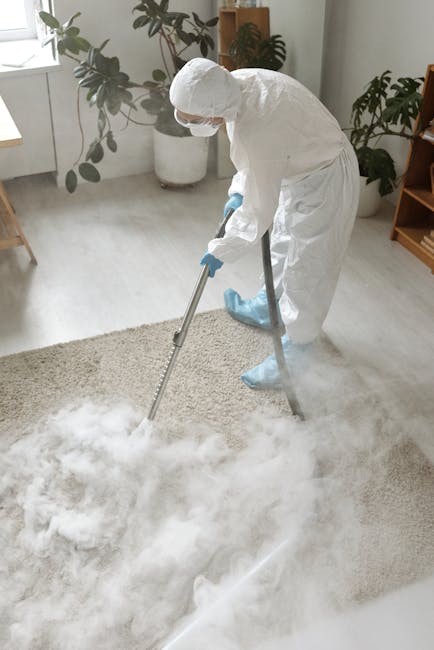
Common carpet cleaning mistakes Kingston homeowners should avoid

Carpet cleaning looks simple from the outside: spray, scrub, rinse, done. But anyone who has tried to lift a tea stain before guests arrive, or clear up a muddy patch after a wet Kingston walk, knows it is rarely that neat. The real trouble is that a few small carpet cleaning mistakes can leave fibres flattened, colours dulled, or worse, a damp smell that lingers for days. This guide to Common carpet cleaning mistakes Kingston homeowners should avoid is here to help you protect your flooring, save time, and make better decisions whether you clean it yourself or bring in a professional.
We will walk through the risks, the correct approach, and the practical habits that make a big difference in real homes. If you are comparing professional support too, it can help to look at a trusted carpet cleaning service alongside other home cleaning options such as deep cleaning or domestic cleaning. Not every carpet needs the same treatment. And to be fair, that is where many people go wrong.
Quick take: the biggest carpet cleaning errors are usually not dramatic. They are everyday habits: using too much water, the wrong product, too much scrubbing, or not drying properly. Small mistakes, big headache. Simple as that.
Why these carpet cleaning mistakes matter
A carpet is not just a surface. It is a soft, absorbent layer that traps dust, pollen, grit, pet hair, spills, and all the odd bits of life that settle into a home over time. Kingston homes, especially busy family homes and rented properties, often see a lot of footfall. Mud from outside, drink spillages, and pet mess all build up quietly. If you clean badly, you do not just fail to remove the dirt. You can push it deeper, set stains permanently, or damage the backing and underlay.
There is also the visual side. A carpet that looks over-wet, patchy, or rough after cleaning can make the whole room feel tired. And once the fibres are damaged, the fix is rarely cheap. That is why avoiding common mistakes is not a fussy extra. It is the difference between a carpet that looks refreshed and one that starts ageing before its time.
In practical terms, bad cleaning can lead to:
- stains becoming harder to remove later
- musty smells from trapped moisture
- shrinkage or warping in some carpet types
- residue that attracts dirt faster
- flattened or fuzzy fibre texture
- discolouration on delicate materials
If you are trying to keep your home looking smart between larger cleans, it can also help to pair carpet care with services like house cleaning or one-off cleaning, especially after busy periods such as renovations, moving day, or school holidays. The less grime that builds up, the less aggressive cleaning you will need later.
How carpet cleaning should work
Good carpet cleaning is really about balance. You want enough moisture, agitation, and solution to loosen soil, but not so much that you saturate the pile or leave residue behind. The method should suit the fibre type, the stain, and the amount of traffic the carpet sees. That sounds obvious, but it gets missed all the time.
In plain English, the process usually follows four stages:
- Remove loose dirt first - vacuum thoroughly so grit is not turned into mud during cleaning.
- Treat marks carefully - identify the stain and use a suitable method rather than attacking everything with one product.
- Clean with controlled moisture - whether you are using hot water extraction, low-moisture methods, or manual spot cleaning, avoid soaking the carpet.
- Dry properly - airflow matters. A lot. Without it, you risk smell, mildew, and re-soiling.
The best method depends on the situation. A light refresh in a hallway is not the same as a deep clean after a pet accident in a lounge. If the carpet has been affected by building dust or renovation debris, some homeowners also consider after builders cleaning before going in with any carpet treatment. Fine dust is sneaky; it gets everywhere, then acts like sandpaper underfoot.
A well-cleaned carpet should feel soft, smell fresh, and dry evenly. No sticky residue. No darker patches. No crunchy fibres. If you get those, something has gone wrong.
Key benefits and practical advantages
When you avoid the usual carpet cleaning errors, the benefits go far beyond looks. Yes, the room feels cleaner. But you also extend the life of the carpet and reduce the chance of repeat problems.
- Better stain removal - treating spills correctly early on stops them setting in.
- Longer carpet life - less fibre wear, less backing damage, fewer costly replacements.
- Improved indoor freshness - especially useful in homes with pets, children, or high traffic.
- Safer surfaces - fewer slippery residues or damp patches after cleaning.
- More even appearance - no blotches, tide marks, or over-brushed areas.
There is also a small but real psychological benefit. A clean carpet changes how a room feels. You notice it when you walk in barefoot on a quiet evening, or when morning light hits the pile and the whole floor looks brighter. It sounds simple, but it matters.
If your aim is to keep a property presentable for tenants, guests, or clients, it can be helpful to combine carpet care with other regular services such as end of tenancy cleaning or office cleaning. Different spaces create different wear patterns, and they need different cleaning habits.
Who this is for and when it makes sense
This advice is for Kingston homeowners, landlords, tenants, and anyone responsible for keeping carpets in decent condition without making expensive mistakes. It is especially useful if you:
- have children or pets
- live in a house with heavy hallway traffic
- have pale carpets that show every spill
- are trying to remove stains yourself for the first time
- have a rental property to prepare between occupants
- want to avoid calling a professional for preventable damage
It also makes sense if you are unsure whether to DIY or book a specialist. Truth be told, some jobs are perfectly manageable at home. Others are better left to a trained carpet cleaner with the right tools and drying control. The key is knowing where that line sits.
If the carpet is wool, antique, glued down, or already damaged, caution is worth more than confidence. That little bit of hesitation can save you a world of bother later.
Step-by-step guidance
Before you start, think like a technician rather than a hurried homeowner. That alone prevents half the problems people create.
- Inspect the carpet
Look for loose seams, faded spots, moth damage, frayed edges, or pre-existing stains. If the carpet is already vulnerable, a heavy wet clean may not be suitable. - Vacuum thoroughly
Do this slowly, in two directions if possible. You want to remove grit from the pile, not just skim the top. Grit is the enemy of soft fibres. - Test any cleaning product
Use a hidden corner or under furniture first. Wait for it to dry. A product that looks fine when wet can still cause colour loss once it sets. - Choose the right method
For light marks, spot treatment may be enough. For deeper soiling, low-moisture or hot water extraction may be more suitable. Do not mix methods randomly. - Apply solution lightly
Less is often more. You want to lift soil, not flood the base. - Agitate gently
A soft brush or cloth is usually enough. If you can see the fibres getting twisted or fuzzy, stop. You are overdoing it. - Extract or blot carefully
Remove as much moisture and residue as possible without scrubbing the stain into the pile. - Dry with airflow
Open windows if weather allows, use fans if needed, and keep foot traffic to a minimum until the carpet is properly dry.
That final drying step is often ignored because, well, the room looks finished. But it is not finished. Not yet.
Expert tips for better results
These are the habits that separate a decent clean from a messy one.
- Work from the outside of a stain inward. This stops the mark spreading into a larger ring.
- Blot, do not rub. Rubbing can distort fibres and grind the stain deeper. You may feel busy, but the carpet is quietly losing the argument.
- Use white cloths or plain microfibre. Coloured cloths can transfer dye, especially on damp fibres.
- Keep solution strength sensible. More product does not mean more cleaning power. Often it means more residue.
- Give traffic lanes extra attention. Hallways, landings, and lounge walkways usually need a different approach from the less-used corner by the radiator.
- Plan around drying time. A sunny morning can help; a damp winter afternoon in Kingston is a different story altogether.
If you are also maintaining other soft furnishings, there is value in looking at upholstery cleaning and sofa cleaning. A room only feels really clean when the fabrics match. Otherwise the carpet looks nice and the sofa tells a different story. Bit unfair on the carpet, really.
Common mistakes to avoid
This is the heart of the matter. Most carpet problems come from a handful of repeat errors. If you can avoid these, you are already ahead of the game.
1. Using too much water
Over-wetting is one of the biggest carpet cleaning mistakes homeowners make. The carpet may look clean immediately, but excess moisture can soak into the backing and underlay. That is how you end up with a slow-drying carpet, rippling, or a sour smell that appears the next day.
2. Scrubbing hard at stains
It is tempting to attack a mark with enthusiasm. Don't. Hard scrubbing can spread the stain, rough up the pile, and make the area look worn even after the mark is gone. Gentle blotting works better far more often.
3. Using the wrong product
All-purpose cleaners are not always suitable for carpets. Some leave sticky residue. Others can strip colour or affect the feel of the fibres. Always check the product is suitable for the carpet material, especially on wool or blends.
4. Skipping the vacuuming stage
If loose dirt is still in the pile, your cleaning action just turns it into mud. That means you push soil deeper and make the job harder. Vacuum first. Every time.
5. Leaving too much detergent behind
Soap residue attracts dirt, which means the carpet can look dirty again far too quickly. This is one of those annoying cycles homeowners often mistake for poor luck, when really it is just residue.
6. Ignoring the carpet fibre type
Wool, synthetic, and mixed-fibre carpets do not respond the same way. A method that works for one may damage another. If you are not sure what yours is made from, treat it conservatively or ask a professional.
7. Not drying it properly
Damp carpets can develop odours, invite mildew, or become blotchy. Drying is not the final touch. It is part of the cleaning itself.
8. Cleaning only the visible stain
Spot cleaning the centre of a mark without addressing the surrounding area can leave a tide mark or ring. A slightly wider, careful treatment often gives a much better finish.
9. Overusing steam or heat
Heat can help in the right context, but too much can set certain stains or distort fibres. For delicate carpets, high heat is not your friend. Not even close.
10. Waiting too long to act
Fresh spills are easier to remove. Once a stain dries, oxidises, or gets walked into the pile, it becomes more difficult. The worst habit? Leaving it for "later" and then wondering why later is harder.
Tools, resources and recommendations
You do not need a shed full of equipment to clean a carpet well, but the right basics help a lot. Keep things simple and use tools that let you control moisture and pressure.
- A reliable vacuum cleaner with good suction and a clean brush head
- White microfibre cloths for blotting spills
- A soft carpet brush for light agitation
- A small spray bottle for controlled application
- A fan or open-window setup to speed drying
- A suitable carpet cleaner matched to the fibre type
For homes that need broader attention, it may make sense to pair carpet care with home cleaners or a broader cleaning company visit. That can be especially useful before house moves, after parties, or when dust has built up across the property.
If the carpet cleaning job is linked to a larger reset, such as moving out or preparing a property for sale, other services like one-off cleaning can help get the whole place into shape in one go. Sometimes it is less stressful to bundle the jobs than to keep fighting them room by room.
Law, compliance, standards and best practice
Carpet cleaning in a home is not usually a heavily regulated activity, but good practice still matters. In the UK, homeowners should think about basic health and safety, product instructions, and the condition of electrical equipment used during cleaning. If you are using plug-in machines, fans, or extension leads, keep them away from wet areas and never leave a device in a risky position.
For rented homes, landlords and tenants should also be careful about what counts as normal wear and tear versus avoidable damage. Aggressive cleaning that causes staining, shrinkage, or fibre loss may create avoidable costs later. That is one reason it helps to follow the product instructions, keep receipts if relevant, and use sensible methods rather than improvised ones.
Professional cleaners should also operate with clear health and safety procedures, suitable insurance, and transparent terms. If you are comparing providers, it is reasonable to check pages such as insurance and safety, health and safety policy, and terms and conditions. That is not being difficult. It is sensible.
There is also a practical environmental angle. Using the right amount of water and detergent helps reduce waste, and careful product use is better for the home as well as the carpet. If sustainability matters to you, a company's recycling and sustainability approach may be worth a look too.
Options and method comparison
Choosing the right cleaning method is easier when you compare the main options plainly. Here is a simple overview.
| Method | Best for | Pros | Watch out for |
|---|---|---|---|
| Spot cleaning | Fresh spills and small marks | Fast, controlled, low moisture | Can leave rings if treated too narrowly |
| Manual light clean | General upkeep between deep cleans | Affordable and flexible | Easy to overuse detergent or water |
| Hot water extraction | Heavier soiling and traffic lanes | Deep soil removal, strong refresh | Requires proper drying; not ideal for every fibre |
| Low-moisture cleaning | Busy homes, quicker drying needs | Less water, faster return to use | May not remove deep-set dirt as aggressively |
| Professional service | Delicate, large, or heavily stained carpets | Better equipment, better judgement, less trial and error | Costs more than DIY, but often saves hassle |
The right choice depends on the carpet, not just the stain. A small mark on a sturdy synthetic hall runner is one thing. A pale wool carpet in a front room is another. Different job, different rules.
Case study or real-world example
A Kingston homeowner dealing with a lounge carpet after a rainy weekend might assume the answer is lots of detergent and a firm scrub. It feels logical in the moment. The muddy area is visible, the smell is a bit off, and you want it sorted before Monday. But in practice, that approach often spreads the mud, leaves a residue, and turns one patch into a larger dull area.
A better response would be to let the mud dry if it is very wet, vacuum the loose soil, then use a lightly damp cloth with a suitable cleaner, blotting carefully from the outside inward. After that, dry the area properly with airflow. If the carpet is still discoloured or the backing smells damp, a professional clean is usually the safer move.
We have seen this sort of scenario crop up after family gatherings, school term chaos, or the sort of wet day when everyone seems to come home with grit on their shoes. It happens. The good news is that most of the damage is avoidable once you know what to watch for.
Practical checklist
Use this quick checklist before you clean any carpet:
- Vacuum first and clear loose debris
- Identify the carpet fibre if you can
- Test cleaner in a hidden spot
- Use as little liquid as needed
- Blot rather than scrub
- Treat a slightly wider area than the stain itself
- Remove residue thoroughly
- Allow for proper drying time
- Keep pets and children off the carpet until fully dry
- Stop if the carpet starts looking worse, not better
Mini reminder: if the carpet is delicate, valuable, or already distressed, caution beats enthusiasm every time.
Conclusion
Carpet care is one of those household jobs that looks straightforward until it goes wrong. The main lesson from Common carpet cleaning mistakes Kingston homeowners should avoid is simple: use less force, more judgement, and a bit more patience than you think you need. Vacuum first, test products, avoid soaking, and dry thoroughly. Those habits protect the carpet, reduce repeat stains, and keep your rooms feeling genuinely fresh.
If you only remember one thing, make it this: the best carpet cleaning is controlled, not frantic. A careful approach saves money, saves time, and usually gives a better finish anyway. And that is a fair trade.
If you would like a more tailored approach for your home, it is worth exploring professional help alongside related services such as carpet cleaning, rug cleaning, or upholstery cleaning, depending on what needs attention. Sometimes the smartest move is not doing more. It is doing the right thing once.
Get a free quote today and see how much you can save.
Frequently Asked Questions
What is the biggest carpet cleaning mistake homeowners make?
The biggest mistake is usually using too much water or cleaning solution. Excess moisture can lead to slow drying, residue, and even odour problems if it reaches the backing or underlay.
Should I vacuum before cleaning the carpet?
Yes, always. Vacuuming removes grit and loose dirt so you are not turning dry soil into muddy residue while cleaning.
Is scrubbing a stain ever a good idea?
Usually no. Light blotting is far safer. Scrubbing can distort fibres, spread the stain, and make the patch look worn even after the mark is gone.
How do I know if my carpet has been over-wet?
If it feels soggy for hours, looks darker in patches, smells damp, or starts to ripple, it has likely been over-wet. Faster drying and better extraction are needed next time.
Can I use washing-up liquid on carpet stains?
It is not ideal. Washing-up liquid can leave sticky residue that attracts dirt. A carpet-safe cleaner is a better choice, especially for larger areas.
What should I do if a stain keeps coming back?
That often means residue is still pulling dirt back to the surface, or the stain has soaked deeper than the visible layer. Treat the surrounding area more carefully, and consider professional help if it persists.
Are steam cleaners safe for every carpet?
No. Some carpets tolerate steam-style cleaning better than others. Delicate fibres, glued carpets, or older carpets may react badly to heat or excess moisture.
How long should a carpet take to dry after cleaning?
It depends on the method, the weather, and ventilation. A lightly cleaned area may dry fairly quickly, while a deeper wet clean can take much longer. Good airflow makes a big difference.
Should I clean a stain straight away or let it dry first?
Fresh spills should usually be blotted quickly. If the spill is muddy, letting it dry first can sometimes make vacuuming easier before wet treatment begins. It depends on the mess, oddly enough.
When is it better to call a professional?
If the carpet is delicate, the stain is large, the smell is persistent, or you have already tried cleaning and made it worse, a professional is often the safest option. That is especially true for wool or valuable carpets.
Can carpet cleaning damage underlay?
Yes, if too much water is used or the carpet is not dried properly. Underlay can hold moisture longer than the visible surface, which is why controlled cleaning matters.
Does regular carpet cleaning help carpets last longer?
It usually does. Regular, careful cleaning removes abrasive grit and reduces wear, which helps the carpet keep its appearance for longer.